If you are searching for the transformer price in Bangladesh, the
first thing you must understand is that there is no single market
price for every transformer. The cost depends on multiple issues,
such as transformer type, capacity, voltage requirement, copper or
aluminum winding, brand, and where you buy it from.
If you need power for a factory or a high-rise building in Dhaka,
choosing the right transformer matters a lot. The right choice helps
you get safe and stable power for your project. In this blog, you
will learn about the common types of transformers, what affects the
price, and how to choose the right one for your home, business,
workshop, or industrial use.
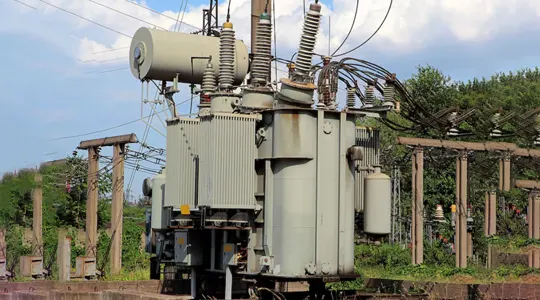
A transformer is a static electrical device that transfers energy
between two or more circuits using electromagnetic induction. It
consists of a primary winding, a secondary winding, and a laminated
steel core.
For long-distance transmission, the national grid typically
transmits electricity at very high voltages—132 kV, 230 kV, and even
400 kV. For practical use, electricity must be transformed down to
415V or 230V. Transformers facilitate this chain of transformation.
Why is it important for Bangladesh?
Rapid urbanization has increased electricity demand in
residential and commercial areas.
The growing RMG industry needs reliable transformers for heavy
machinery and continuous production.
Large infrastructure projects are also driving higher demand for
medium and high-capacity transformers.
Apartments, offices, hospitals, and factories often need
dedicated transformer installation for stable power.
Utility pole-mounted transformers usually cannot handle these
heavy loads, so separate transformer setups become necessary.
Types of transformers available in Bangladesh
Before checking prices, you should know which transformer category
matches your needs. That will help you compare properly. Here are
the types of electrical transformers available in Bangladesh:
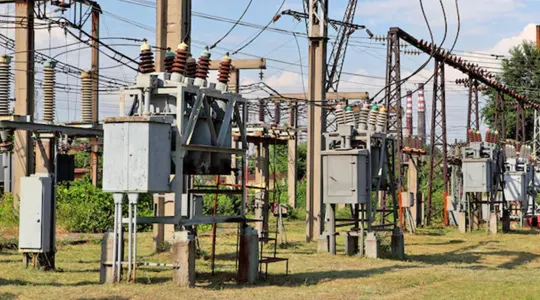
Power transformer
Power transformers
operate at
higher voltage levels and larger capacities, typically above
10 MVA. They are found in grid substations and large
industrial plants.
Step-up transformer
Step-up transformers increase
voltage — for example, from 11 kV to 33 kV — to reduce
energy
loss during long-distance transmission. They are also used
in
devices like UPS, IPS, and inverter systems to boost battery
voltage for equipment operation.
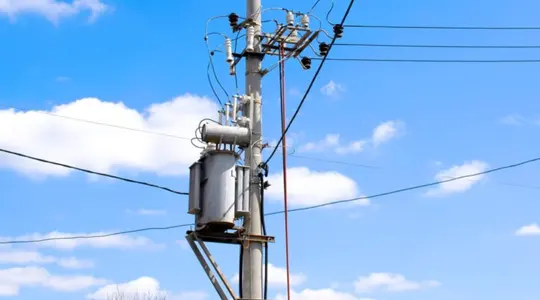
Step-down transformer
Step-down transformers reduce
voltage to levels usable by homes and offices. The everyday
230V supply in a Bangladeshi home has passed through at
least
one step-down transformer.
Auto transformer
Auto transformers use a single
winding with taps to provide variable voltage. They are
popular in testing equipment, voltage stabilizers, and
specific industrial machinery that requires adjustable
voltage
output.
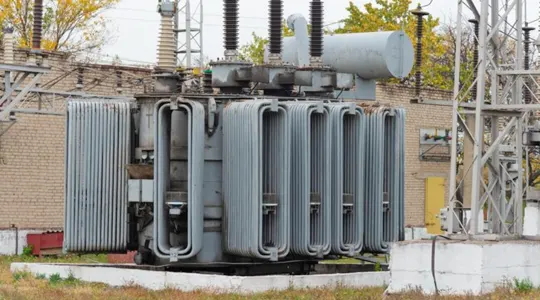
Oil-cooled transformer
Most outdoor and substation
transformers in Bangladesh use mineral oil for cooling and
insulation, making them cost-effective and durable.
Transformer price in Bangladesh
Prices vary depending on brand, cooling type, winding material, and
voltage configuration. The table below represents approximate market
prices in Bangladesh. Always request a formal quotation from a
supplier for project-specific pricing.
Solar System
Updated Price (BDT)
Best for
1kW System
80,000–1,70,000
Small homes, 1–2 bedroom flats
2kW System
1,60,000–3,20,000
Flats with light to moderate load
3kW System
2,40,000–4,80,000
Families with fridge + TV + pump
5kW System
4,00,000–7,00,000
Homes with AC, office use
10kW System
8,00,000–13,00,000+
Commercial offices, shops
20kW–50kW+
Price on the survey
Factories, industrial rooftops
Key factors that affect transformer price
Several variables determine where a transformer falls on the price
spectrum. Understanding these will help you avoid both overpaying
and under-specifying. Here are some key factors that affect its
price:
Power rating (kVA)
Higher kVA ratings require more raw materials and
engineering, directly increasing cost. Never size down to
save money — an undersized transformer is a fire and
reliability risk.
Voltage class
Transformers rated for 33 kV or above require heavier
insulation and more precise manufacturing than 11 kV
units, adding high cost.
Winding material
Copper windings offer better conductivity and durability
but cost more than aluminum. For critical industrial
loads, copper is generally recommended.
Cooling method
Dry-type transformers are safer indoors and need less
maintenance, but carry a 50–80% price premium over
equivalent oil-cooled units
Brand & certification
International brands and IEC/BNBC-certified local
manufacturers command premium prices. Certification is
non-negotiable for grid-connected installations.
Additional features
On-Load Tap Changers (OLTC), built-in protection relays,
or custom cooling fins add to cost but may be required for
your application.
How to choose the right transformer for your needs?
Buying the wrong transformer is an expensive mistake. When choosing
a transformer, be aware of your needs and some essential features to
get the most out of your budget. Here is a practical framework for
making the right choice the first time.
Step 1
Calculate your total load in kVA:
Calculate your total load with an electrician. If the power
transformer has a lower kVA rating. If the transformer has a much
higher kVA rating, the risk of failure exists.
Step 2
Figure out how much voltage you need:
Check the voltage that your utility connection can provide—11 kV
or 33 kV—and find out what voltage your equipment needs: 415 V
(three-phase) for motors and industrial machines or 230 V for
regular appliances.
Step 3
Pick the right type:
Oil-cooled is the most cost-effective choice for outdoor
substations and most industrial uses. If you need to install
something in a basement, a hospital, a shopping mall, or any other
place where fire safety is very important, get a dry-type unit.
Step 4
Check the brand certification:
Make sure the transformer meets the standards set by the
Bangladesh National Building Code (BNBC) and IEC 60076. Ask the
maker for test certificates.
Step 5
Factor in the total cost of ownership:
A cheaper transformer with lower efficiency wastes money in energy
losses every single day. For large loads, even a 1% improvement in
efficiency can recoup the price premium of a better unit within
two or three years.
Choose the right transformer at AB Power Engineering Ltd.
AB Power Engineering Ltd. is one of the leading electrical and power solution
companies in Bangladesh. We provide high-quality switchgear,
generators, and transformers. Our products, which range from
distribution boards and control panels to protective relays and
monitoring devices, are among the best available. Here are some
key points for why people choose us:
Transformer price in Bangladesh depends on type, capacity,
brand, and use. Small transformers cost much less, while
industrial and high-capacity transformers cost
significantly more.
The main factors are kVA rating, copper or aluminum
winding, voltage level, cooling type, and brand quality.
Installation and transport costs can also increase the
total price.
Factories and commercial buildings usually need
higher-capacity three-phase or distribution transformers.
The right choice depends on the total electrical load and
safety requirements.
You should calculate your total power load before buying a
transformer. Choosing the correct capacity helps ensure
safe operation and avoids overload problems.
You can buy transformers from electrical equipment
suppliers, local manufacturers, and industrial solution
companies in Bangladesh. It is best to compare
specifications, warranty, and service support before
purchase.
Searching for the right transformer
solution?
Let’s discuss your transformer requirements and power needs.




 +8801672073817